Understanding the machines that make modern flight possible.
Libraryreelpockt is an independent editorial journal exploring the intricate world of aircraft design, critical aviation systems, cockpit technology, and complex airport operations.
Aircraft Profile Index
Modern aircraft are engineered to fulfill specific operational profiles, balancing range, capacity, and efficiency.
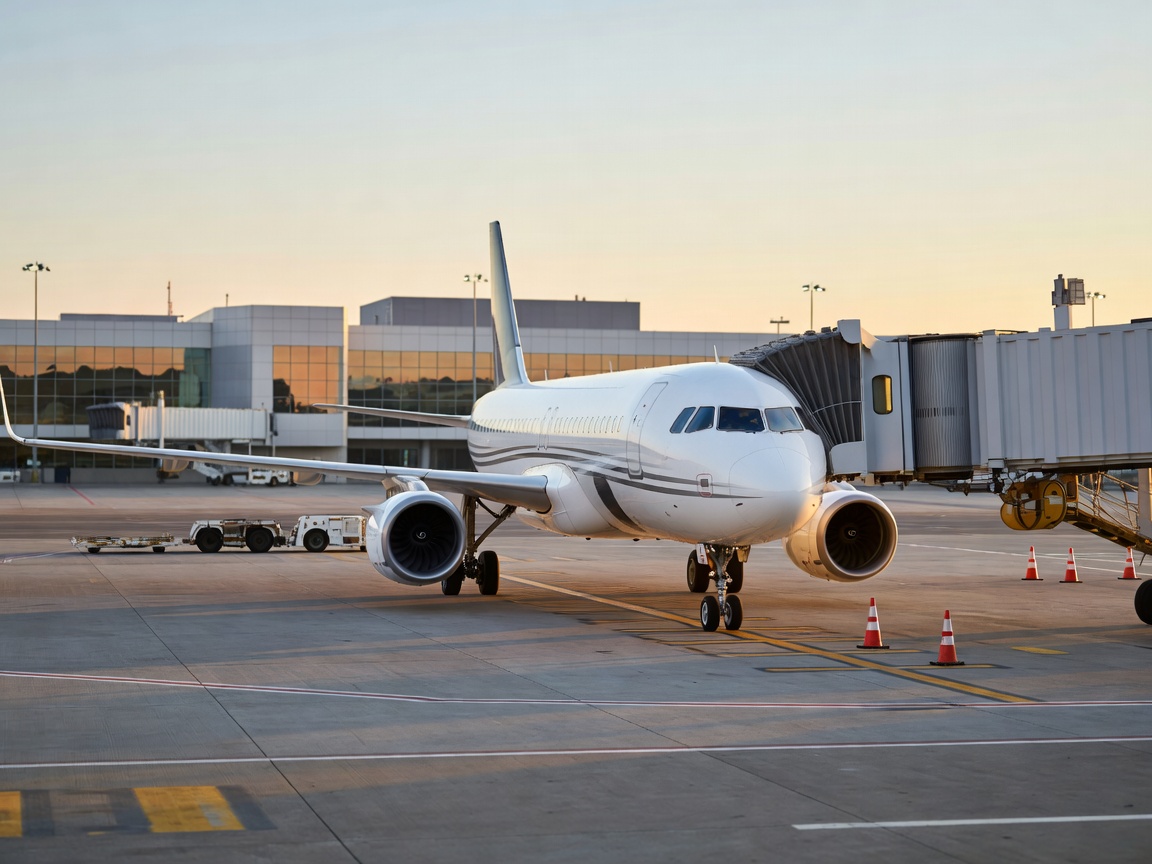
Commercial Aircraft
Discover how modern passenger aircraft are meticulously designed around capacity requirements, route ranges, and fuel efficiency.
Explore Commercial Aircraft →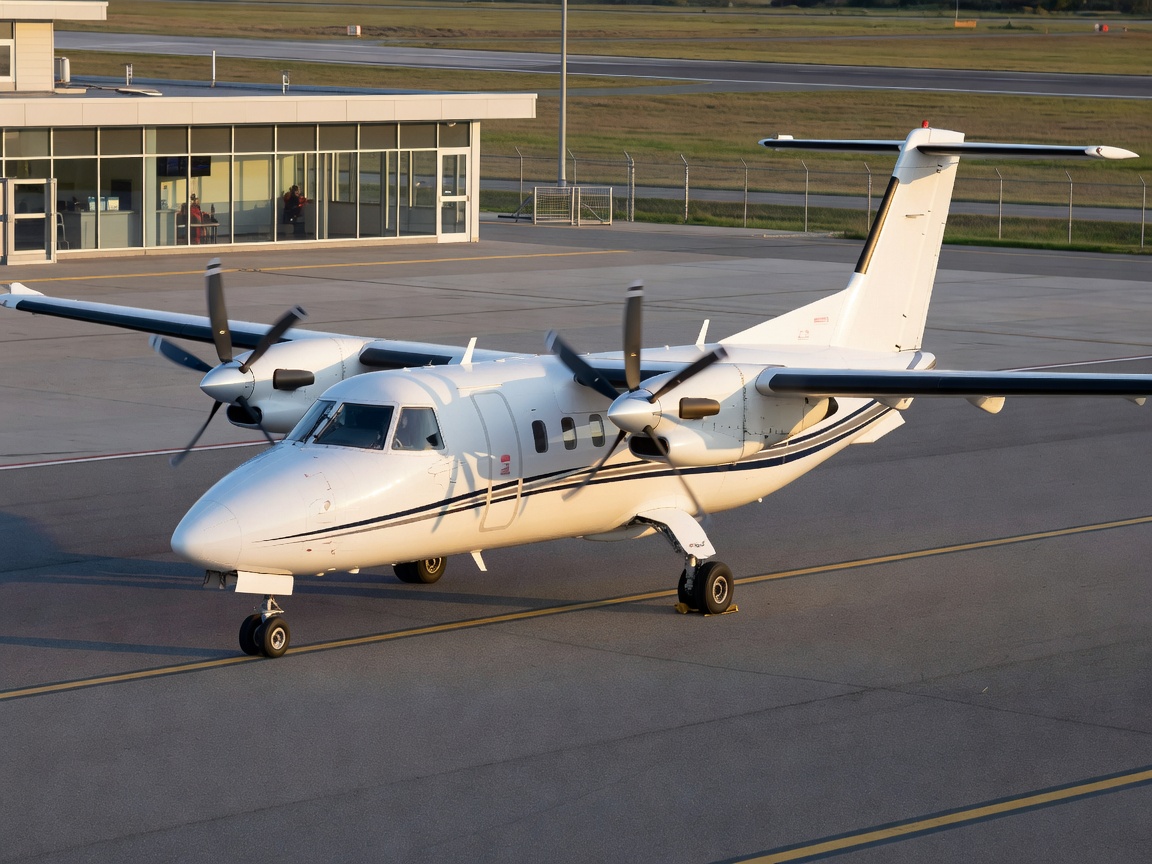
Regional Aircraft
Understand the critical role of smaller passenger aircraft—both turboprop and regional jets—in connecting short-haul routes.
Explore Regional Aircraft →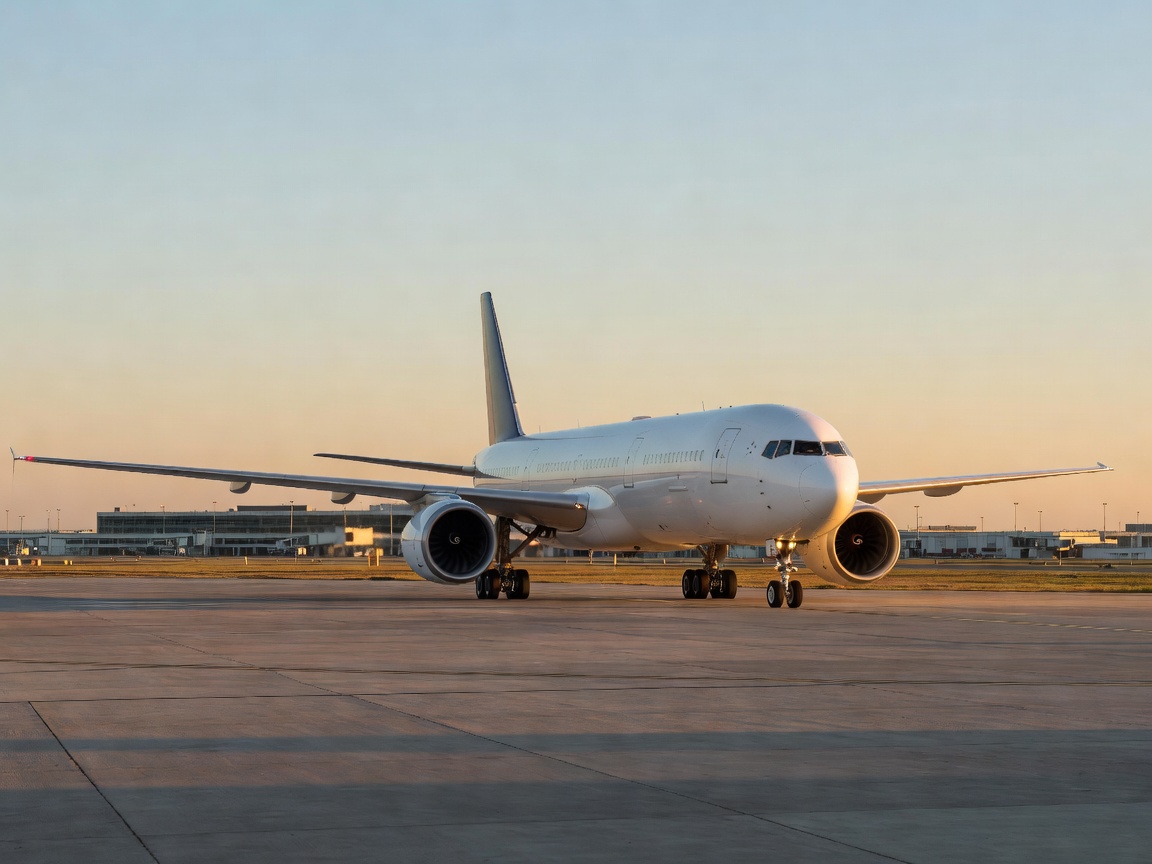
Widebody Aircraft
Examine the architecture of long-haul aviation, featuring larger fuselages, twin aisles, and extended operational endurance.
Read Widebody Guide →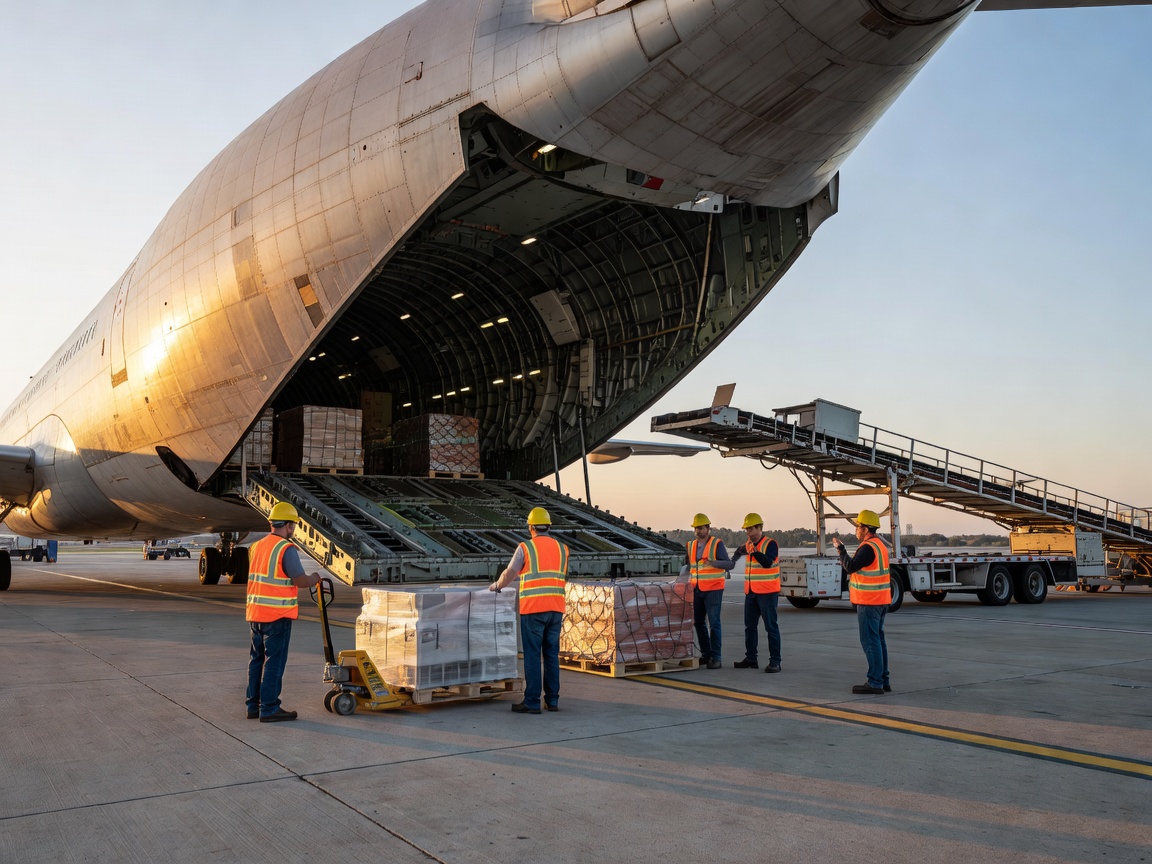
Cargo Aircraft
Explore how airframes are engineered and adapted specifically for heavy freight operations and rapid global logistics.
Explore Cargo Aircraft →How An Aircraft Flies
Flight relies on the continuous balance of four fundamental aerodynamic forces.
Lift
Lift is the upward force created by the effect of airflow as it passes over and under the aircraft's wings. The specific shape of the wing (airfoil) causes air to move faster over the top surface than the bottom, creating a pressure difference that generates upward force, countering gravity.
Weight
Weight is the downward force of gravity acting upon the mass of the aircraft, its fuel, passengers, and cargo. For an aircraft to ascend, the lift generated by the wings must exceed the total operational weight. Weight distribution also directly affects the aircraft's center of gravity and stability.
Thrust
Thrust is the forward force produced by the aircraft's propulsion system, typically jet engines or propellers. By accelerating mass (air) rearward, an equal and opposite reaction propels the aircraft forward, generating the speed necessary for the wings to create lift.
Drag
Drag is the aerodynamic resistance that opposes the aircraft's forward motion through the air. It is caused by friction and differences in air pressure. Aircraft designers meticulously shape fuselages and wings to minimize drag, thereby improving fuel efficiency and performance.
Aircraft Systems
Explore the complex networks of mechanical, hydraulic, and electrical systems that ensure safe operation.
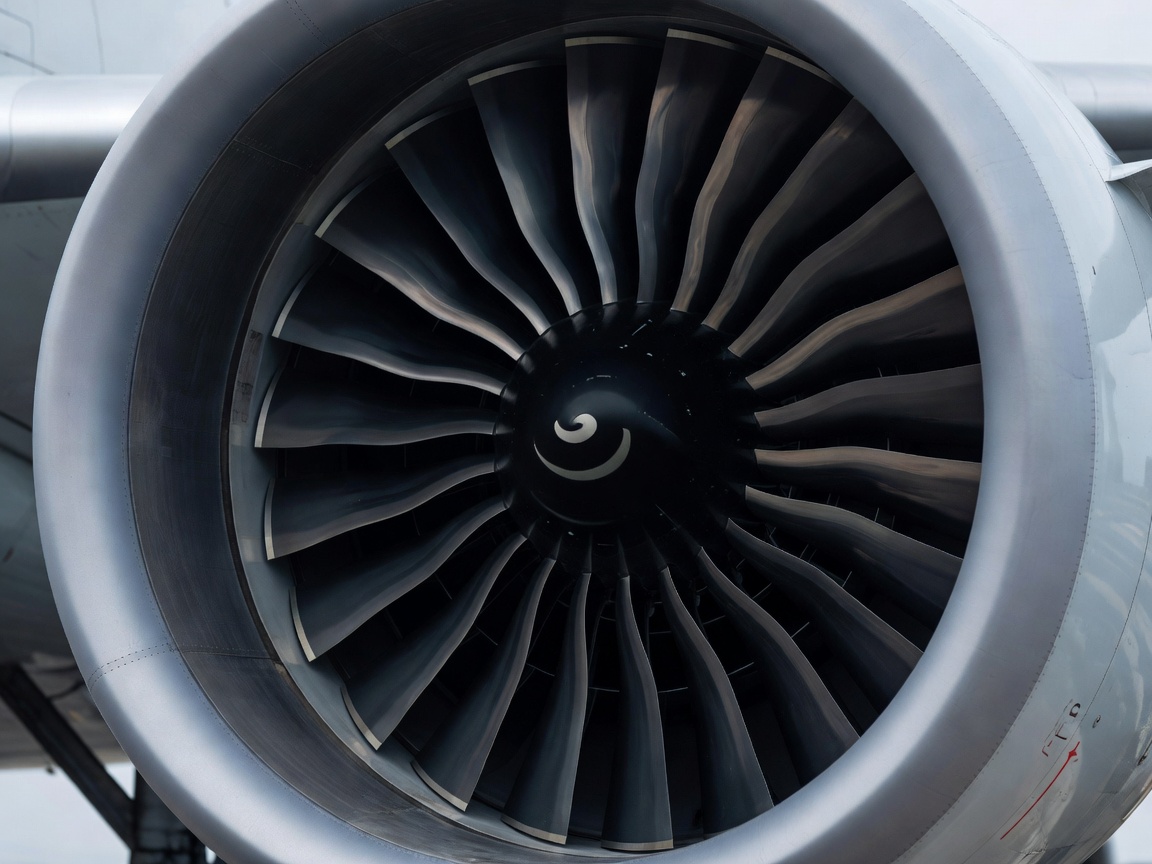
Engines & Propulsion
Understand the basic thermodynamic and mechanical role of modern high-bypass turbofan engines in generating thrust.
Read Engine Guide →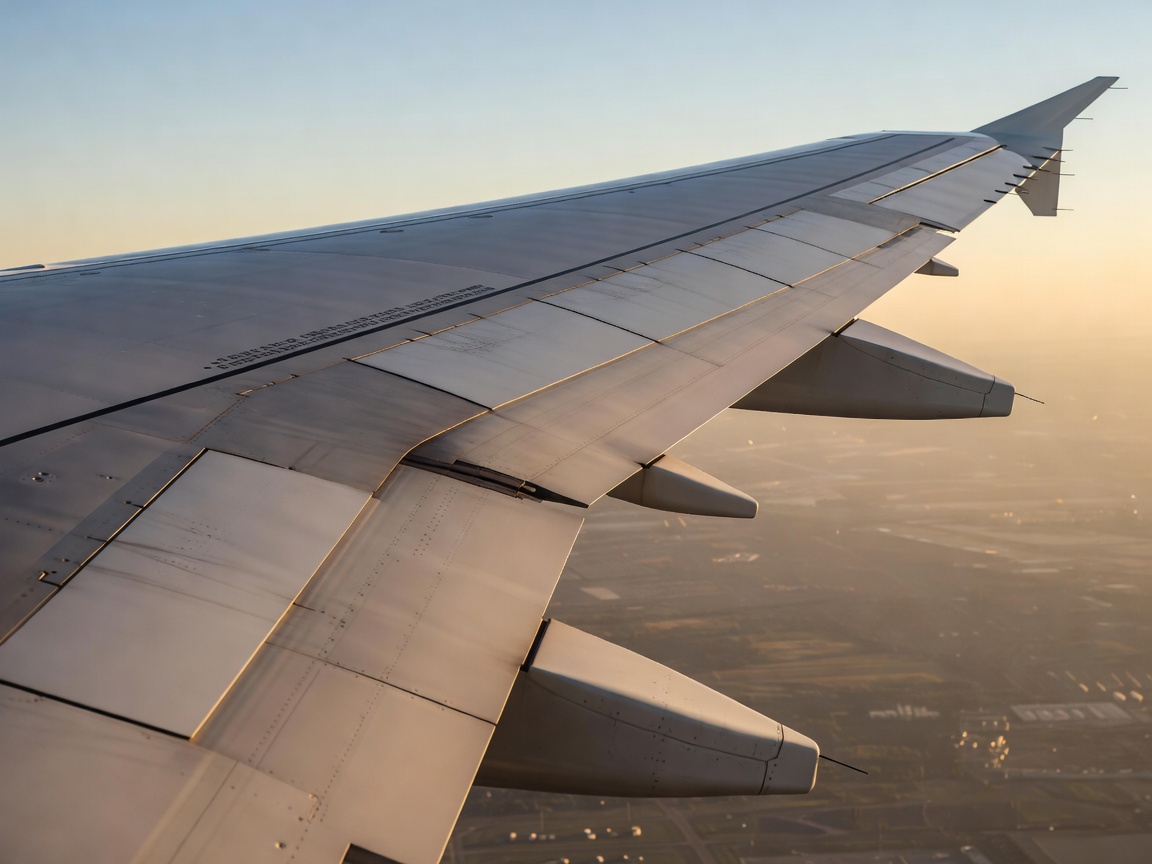
Flight Controls
Discover how pilots interface with hydraulic and fly-by-wire systems to manipulate control surfaces and direct the aircraft.
Explore Flight Controls →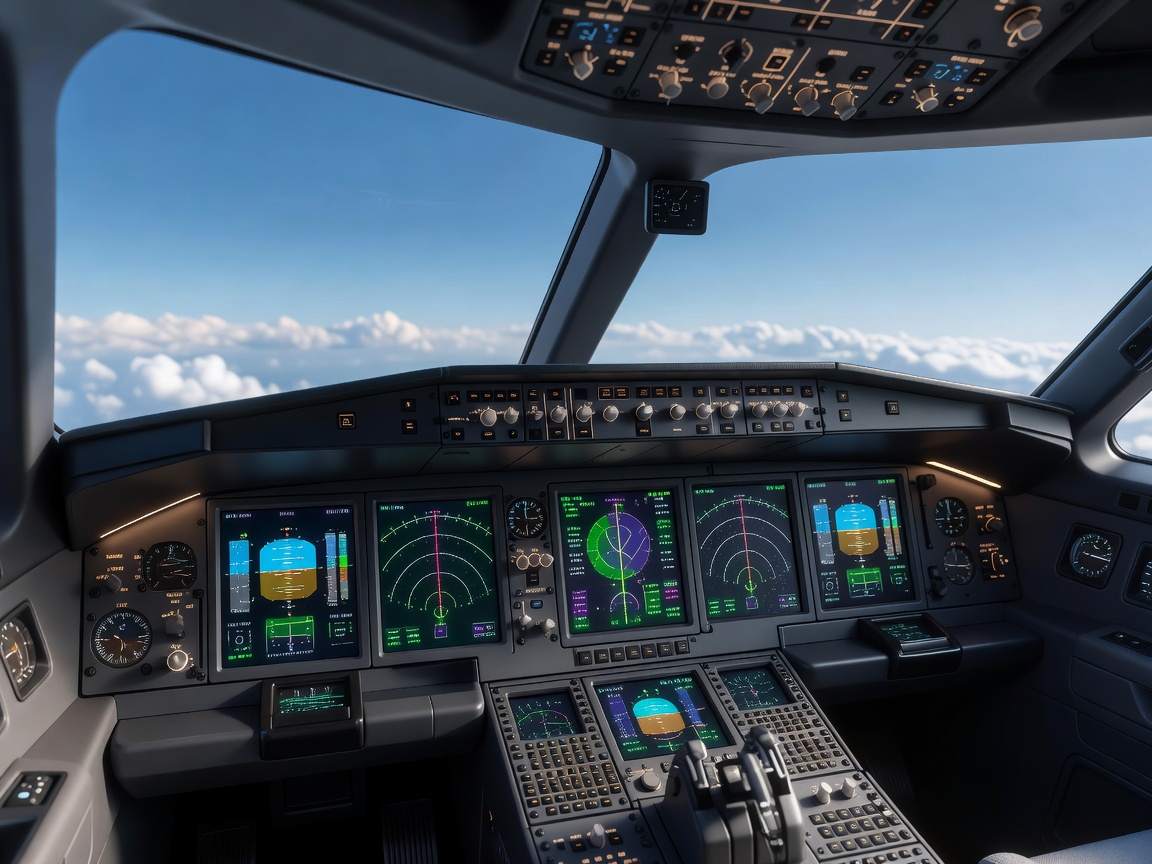
Avionics
Examine the advanced electronic networks responsible for navigation, communication, and flight management.
Explore Avionics →