Field Notes
Brief editorial observations and technical explanations regarding the mechanics of flight and aircraft design.
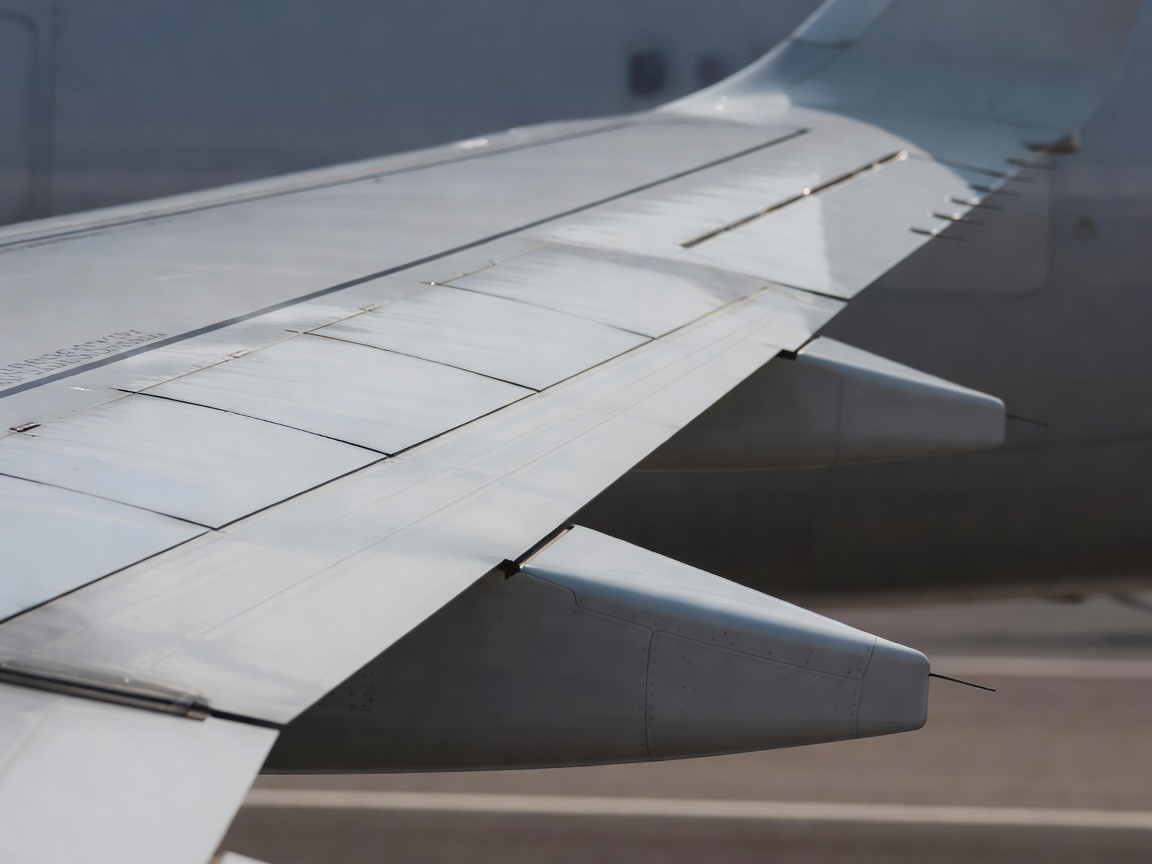
Why aircraft wings are not simply flat surfaces.
An aircraft wing features a carefully engineered curved cross-section known as an airfoil. This cambered shape is crucial for manipulating airflow and pressure distribution to maximize lift while minimizing drag.
Read the note →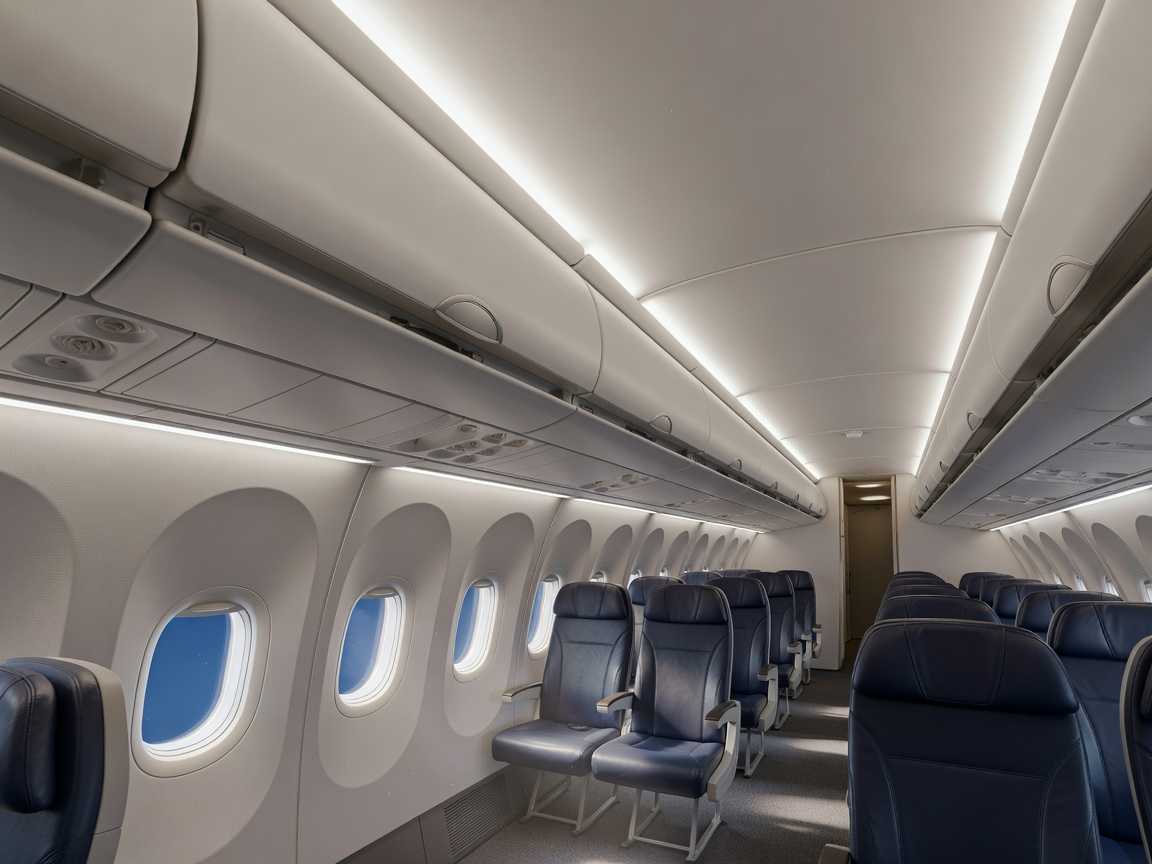
Why aircraft cabins are pressurised.
Cruising altitudes lack sufficient oxygen for survival. The fuselage acts as a sealed pressure vessel, continuously pumping in conditioned bleed-air from the engines to simulate a lower, breathable altitude.
Read the note →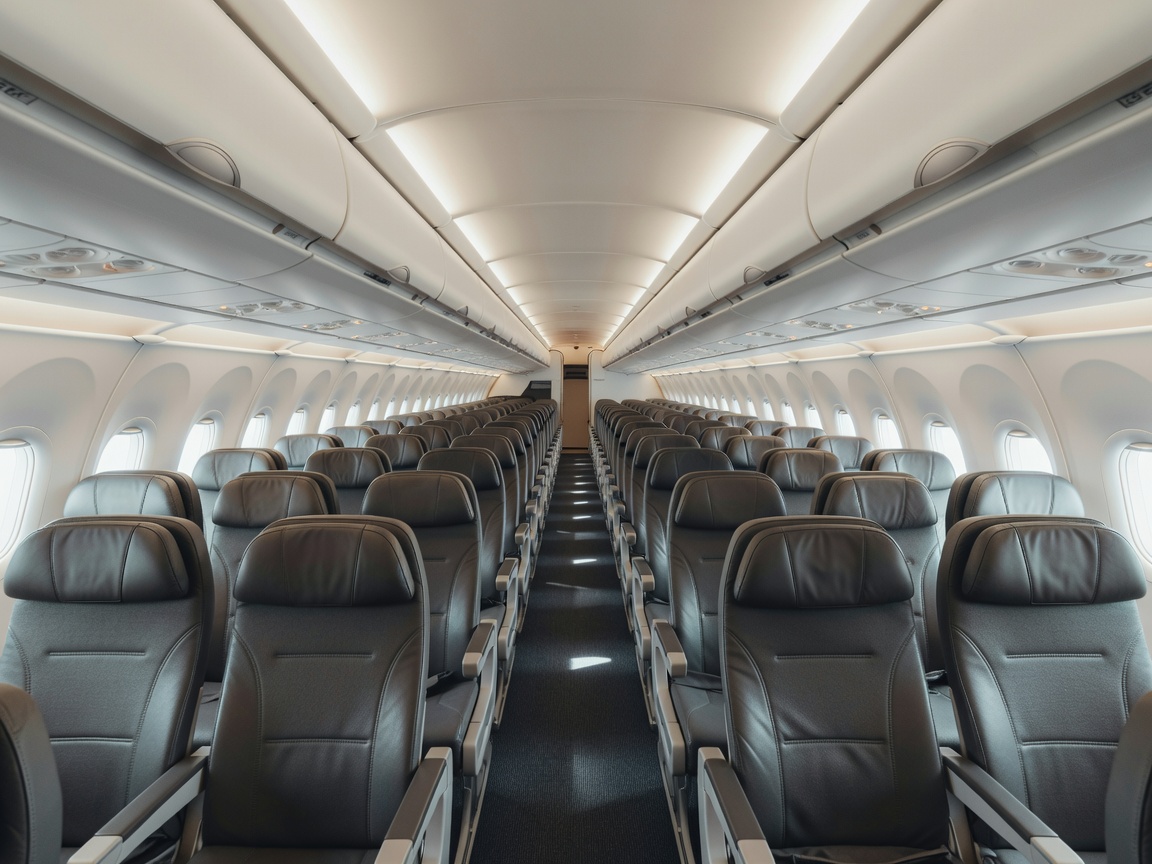
What makes a widebody aircraft different?
Beyond simply being larger, a widebody aircraft features two passenger aisles. This structural choice increases internal volume, allowing for massive under-floor cargo capacity crucial for intercontinental logistics.
Read the note →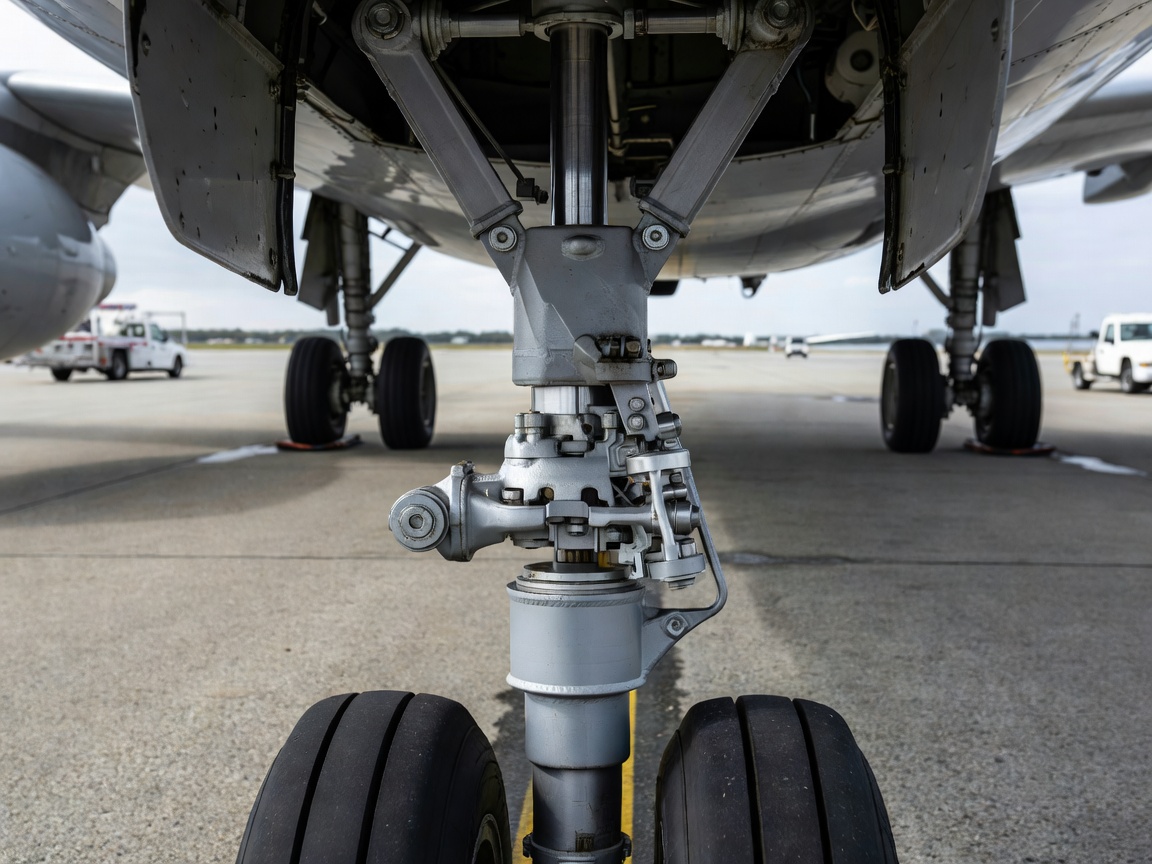
Absorbing massive kinetic energy.
Landing gear is not just wheels; it is a complex shock-absorption system. Oleo-pneumatic struts compress upon landing, transforming violent downward energy into heat, protecting the fragile airframe.
Read the note →
The purpose of winglets.
The upward-swept tips on modern wings, known as winglets, mitigate the formation of wingtip vortices. By smoothing airflow, they reduce drag and significantly improve fuel efficiency over long distances.
Read the note →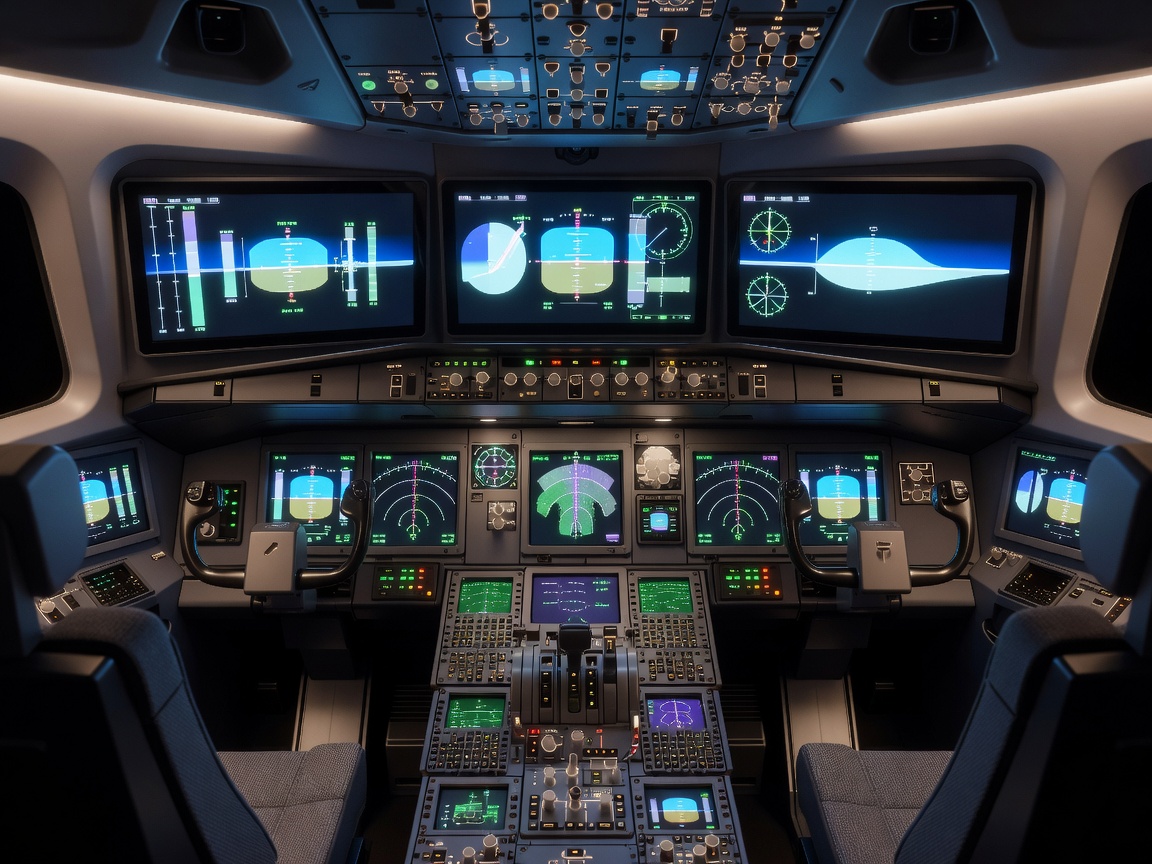
Redundancy in aviation engineering.
Critical systems such as hydraulics and avionics are never single points of failure. Aircraft feature multiple independent systems operating simultaneously, ensuring that if one fails, others seamlessly take over.
Read the note →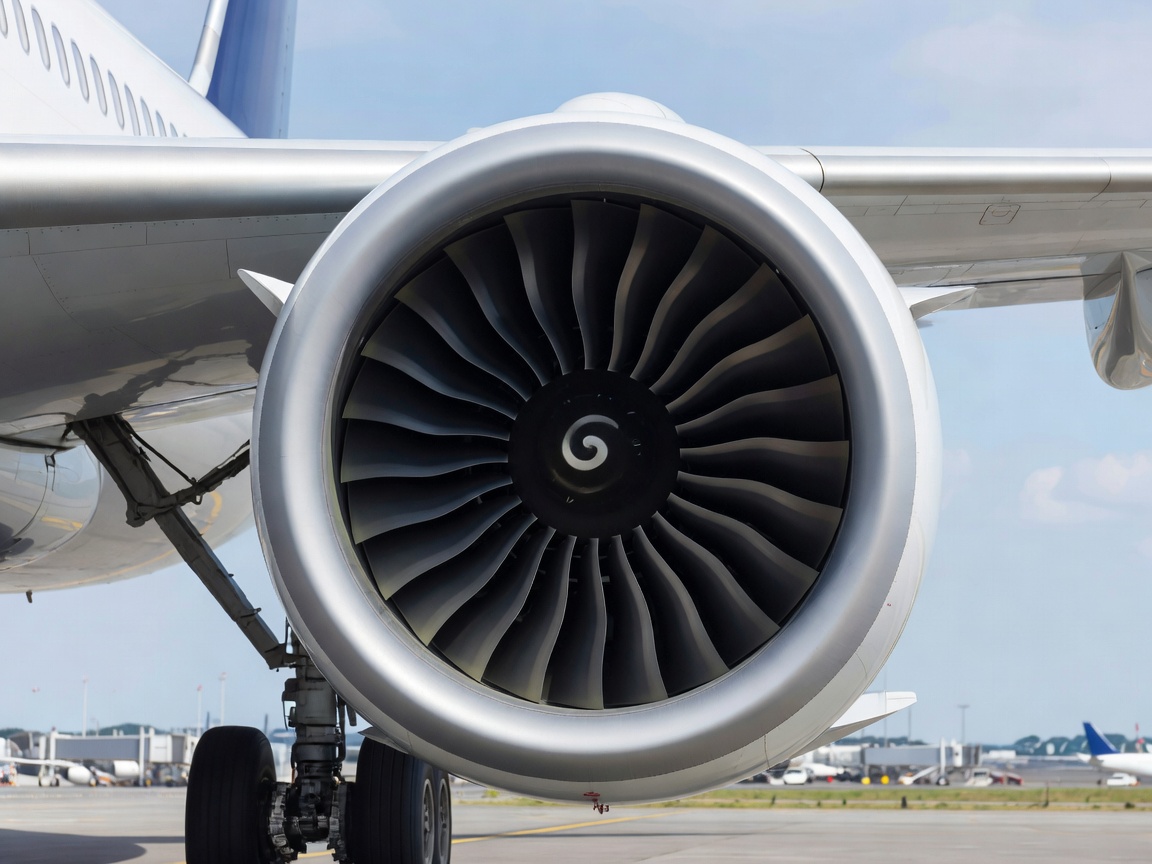
High-bypass vs. Low-bypass engines.
Modern commercial jets use high-bypass turbofans where most air goes around the engine core. This is quieter and vastly more fuel-efficient at subsonic speeds compared to older low-bypass turbojets.
Read the note →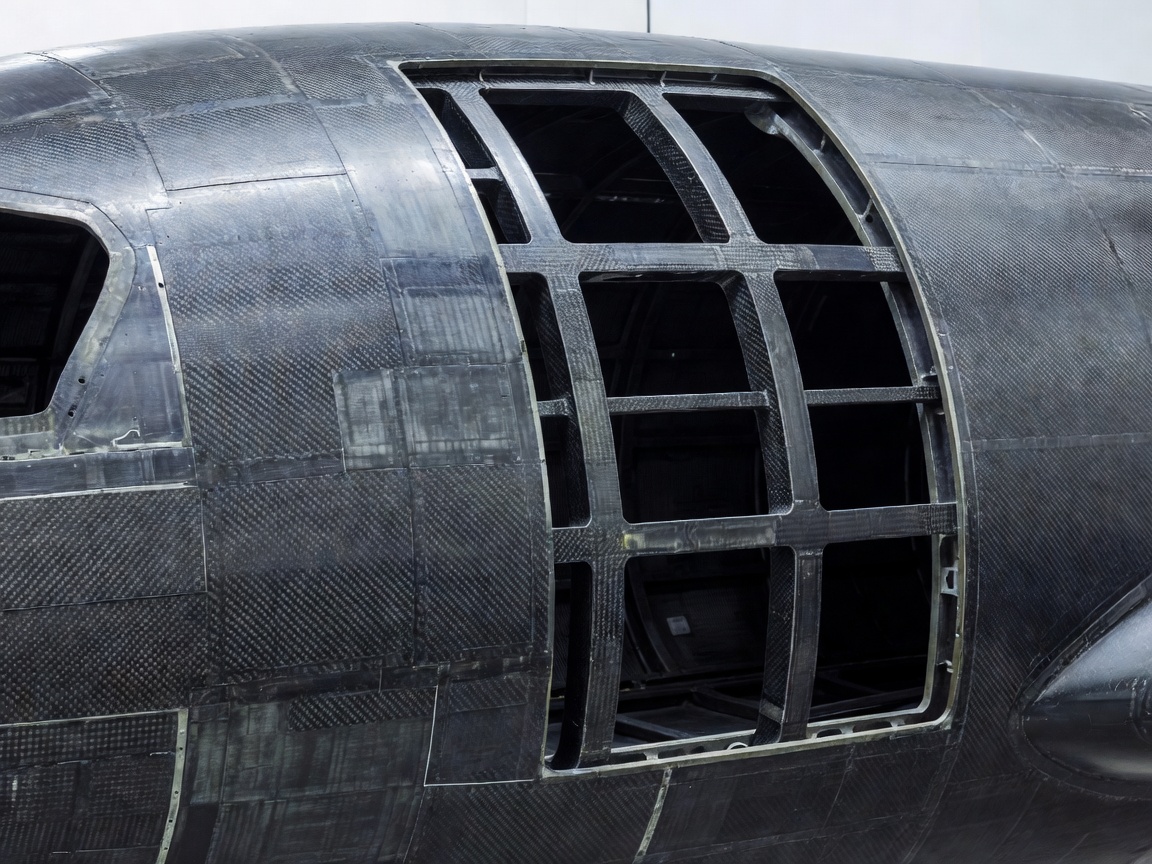
Composite materials in airframes.
Newer generation aircraft heavily utilize carbon-fiber reinforced polymers. These composites are lighter and stronger than traditional aluminum, and do not fatigue or corrode in the same way.
Read the note →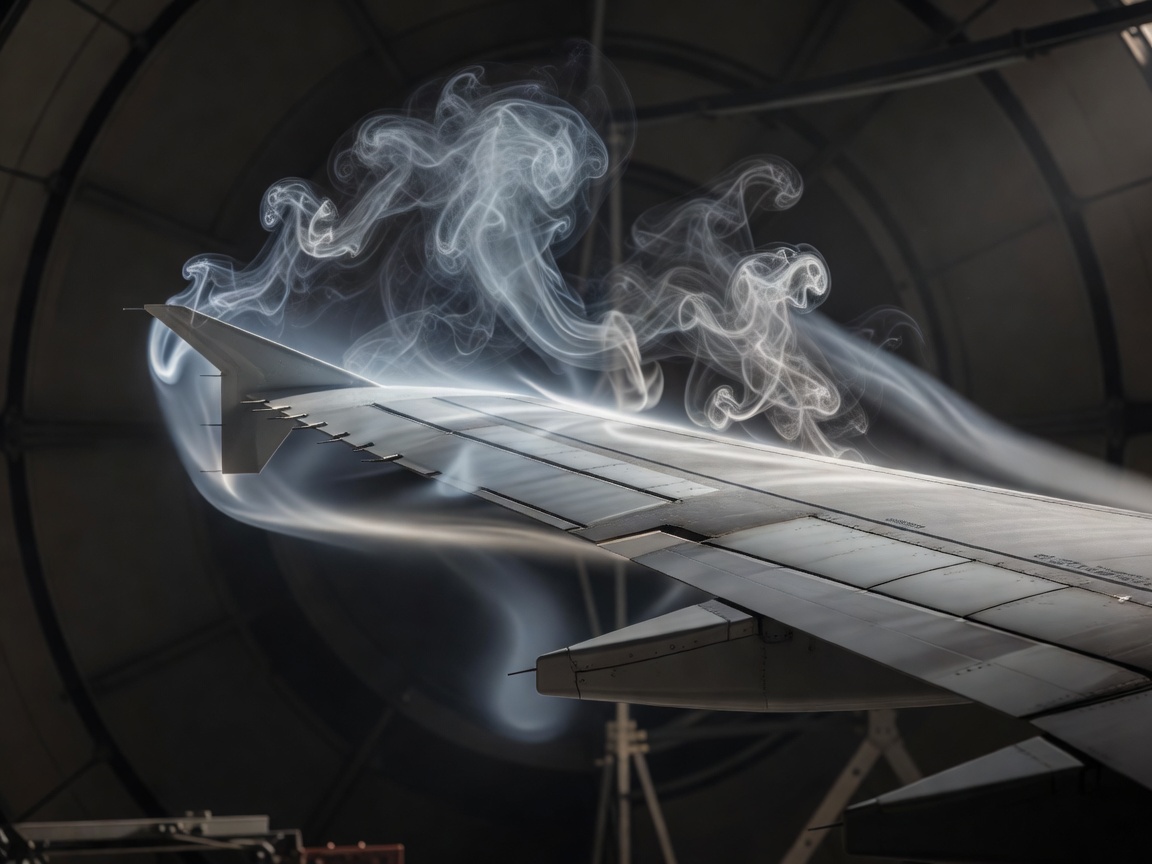
Understanding the stall.
A stall in aviation is an aerodynamic phenomenon, not an engine failure. It occurs when the wing's angle to the airflow becomes too steep, causing the smooth air to separate from the wing, destroying lift.
Read the note →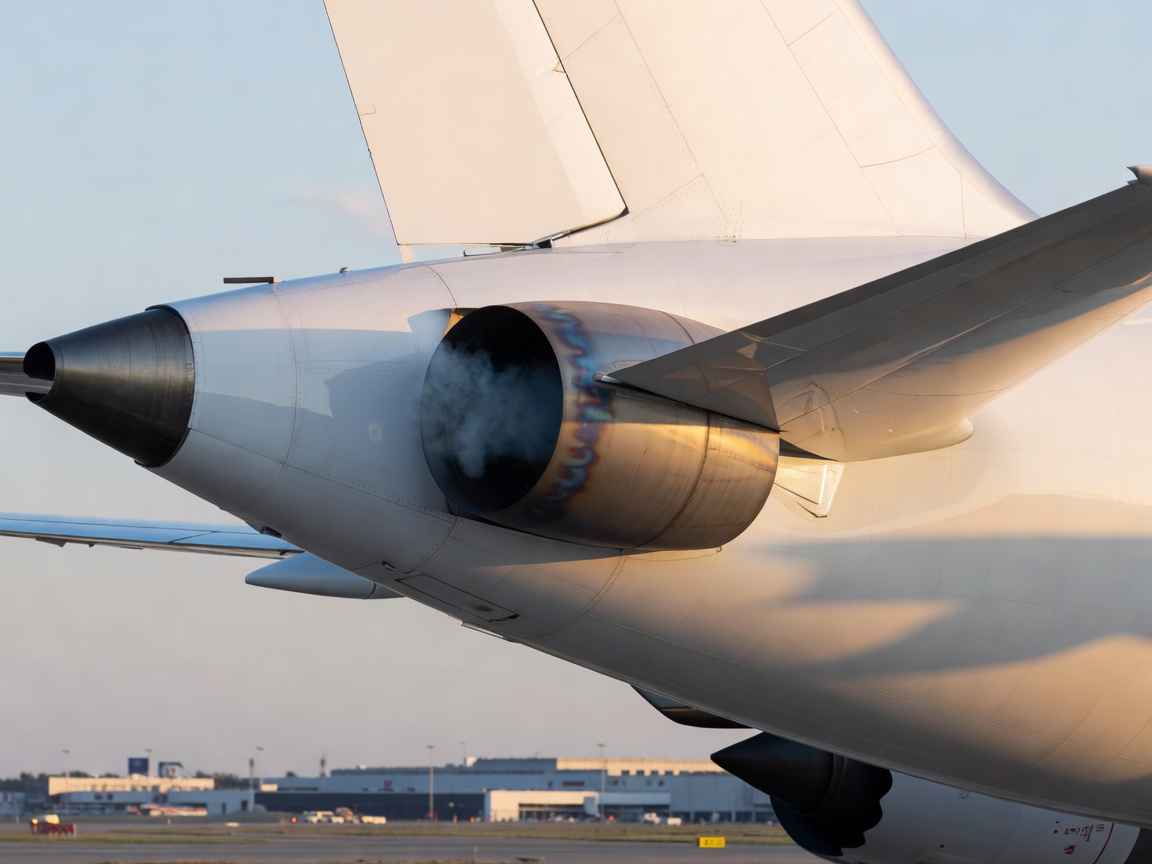
The role of the APU.
The Auxiliary Power Unit is a small turbine usually located in the tail. It provides electrical power and compressed air for starting the main engines and running cabin systems while the aircraft is parked on the ground.
Read the note →