Aircraft Categories & Profiles
An educational overview of how different aircraft are engineered for distinct operational missions across the global aviation network.
Commercial Narrowbody Aircraft
Often referred to as single-aisle aircraft, narrowbody commercial jets form the backbone of global domestic and short-to-medium-haul international aviation. They are designed with a single central aisle in the passenger cabin.
Design Priorities: Rapid turnaround times at airport gates, high frequency operational capability, and optimal fuel efficiency on routes typically lasting between one to five hours.
These aircraft generally feature twin-engine configurations and are engineered to operate efficiently from standard regional and international airport runways.
Explore Aircraft Design →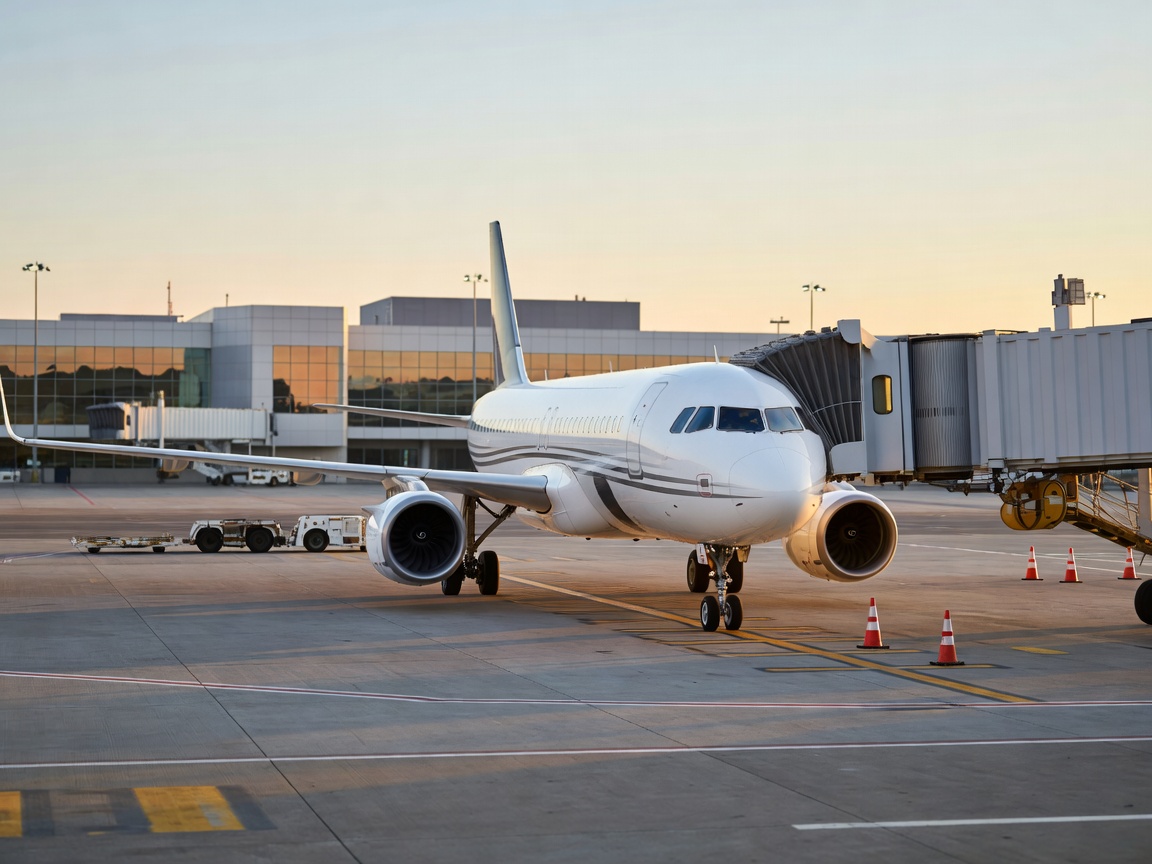
Widebody Aircraft
Widebody aircraft are distinguished by their larger fuselage diameter, which accommodates two passenger aisles. This structural design inherently provides greater interior volume for both passengers and under-floor cargo.
Operational Role: Engineered primarily for long-haul and ultra-long-haul intercontinental routes. Their massive wingspans house significant fuel capacity required for extended range missions across oceans and continents.
Due to their size and weight, widebody aircraft require longer runways and specialized airport gate infrastructure compared to narrowbody fleets.
Understand Cabin Layouts →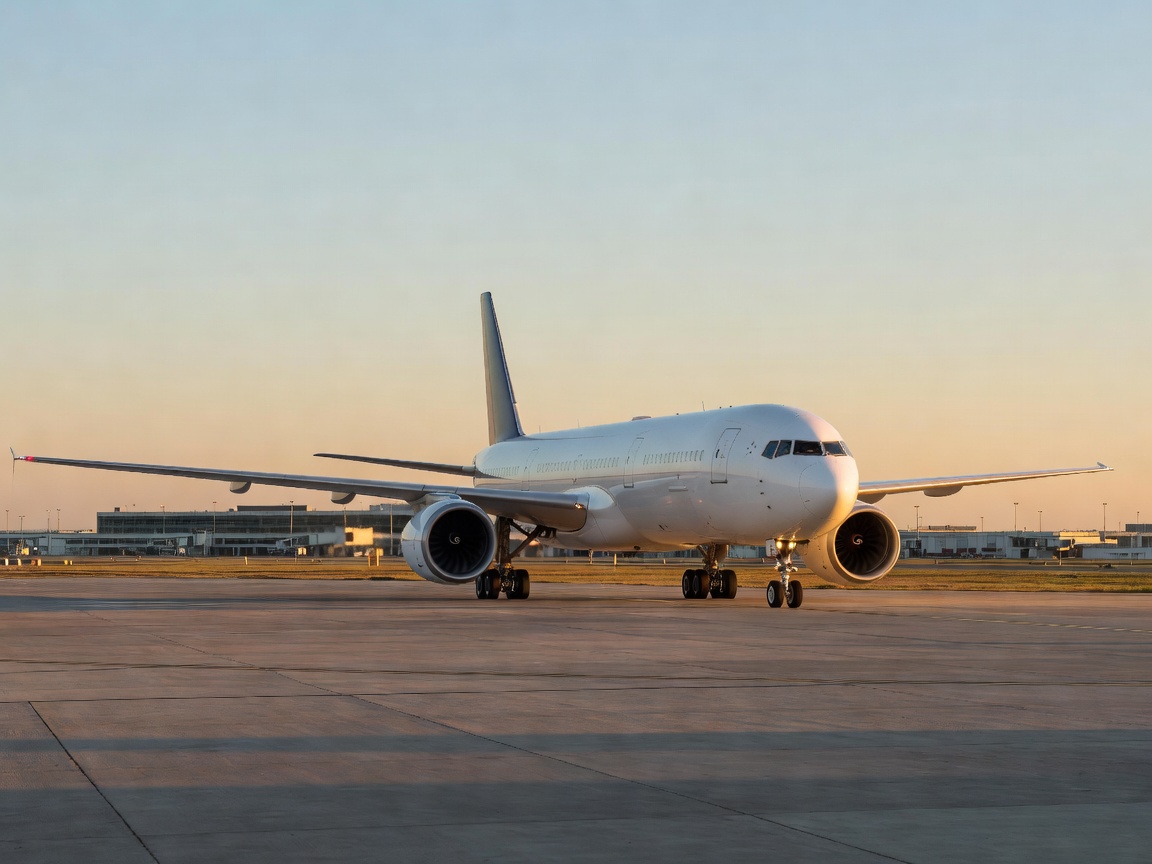
Regional Aircraft
Regional aircraft are smaller passenger aircraft, typically seating fewer than 100 passengers, designed to execute short-haul flights connecting smaller communities to major airline hub airports.
This category includes both regional jets and advanced turboprop aircraft. Turboprops are highly efficient at lower altitudes and slower speeds, making them ideal for very short sectors, while regional jets offer greater speed and range for slightly longer commuter routes.
Open Field Notes →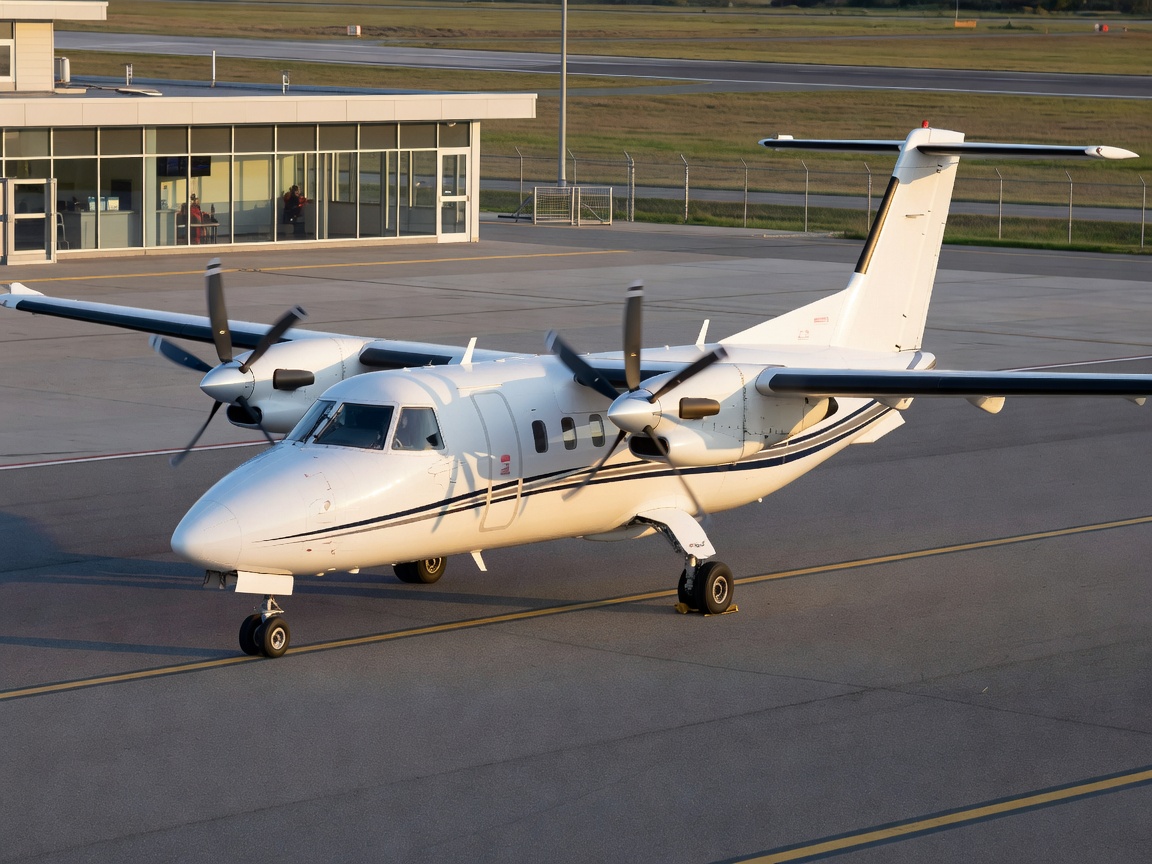
Cargo Aircraft (Freighters)
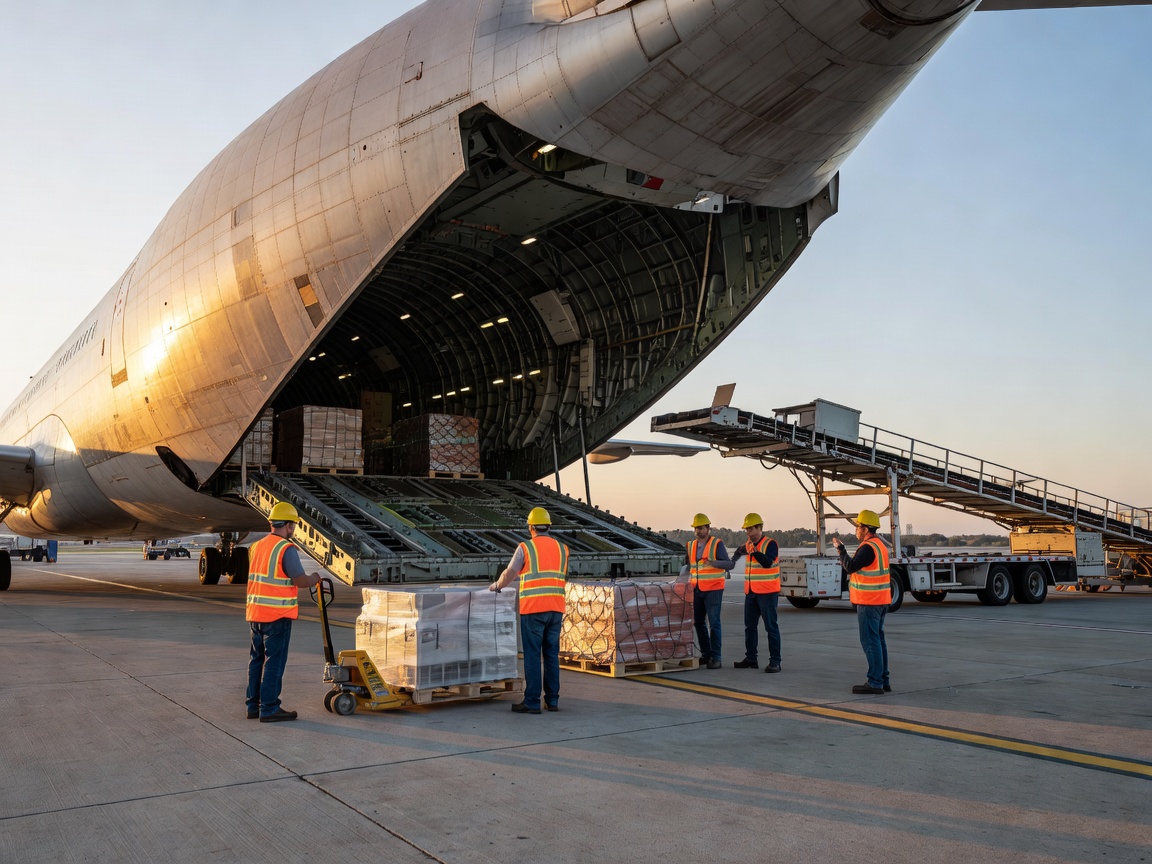
While passenger aircraft carry cargo in their lower holds, dedicated freighter aircraft are specifically engineered or modified for the sole purpose of transporting goods. This often involves structurally reinforcing the main deck floor, installing large side-loading cargo doors, and removing all passenger amenities (windows, galleys, lavatories) to maximize payload volume and weight capacity.
| Aircraft Category | Typical Fuselage | Primary Mission | Operational Range Focus |
|---|---|---|---|
| Regional | Small diameter, single aisle | Feeder routes to major hubs | Short-haul (under 2 hours) |
| Commercial Narrowbody | Standard diameter, single aisle | Domestic and regional international | Short to medium-haul |
| Commercial Widebody | Large diameter, twin aisle | Intercontinental transport | Long-haul and ultra-long-haul |
| Freighter | Varies (main deck optimized) | Global logistics and heavy freight | Varies based on airframe |