Aircraft Systems Overview
Modern aircraft are highly integrated machines relying on redundant mechanical, hydraulic, and electrical networks.
Engines & Propulsion
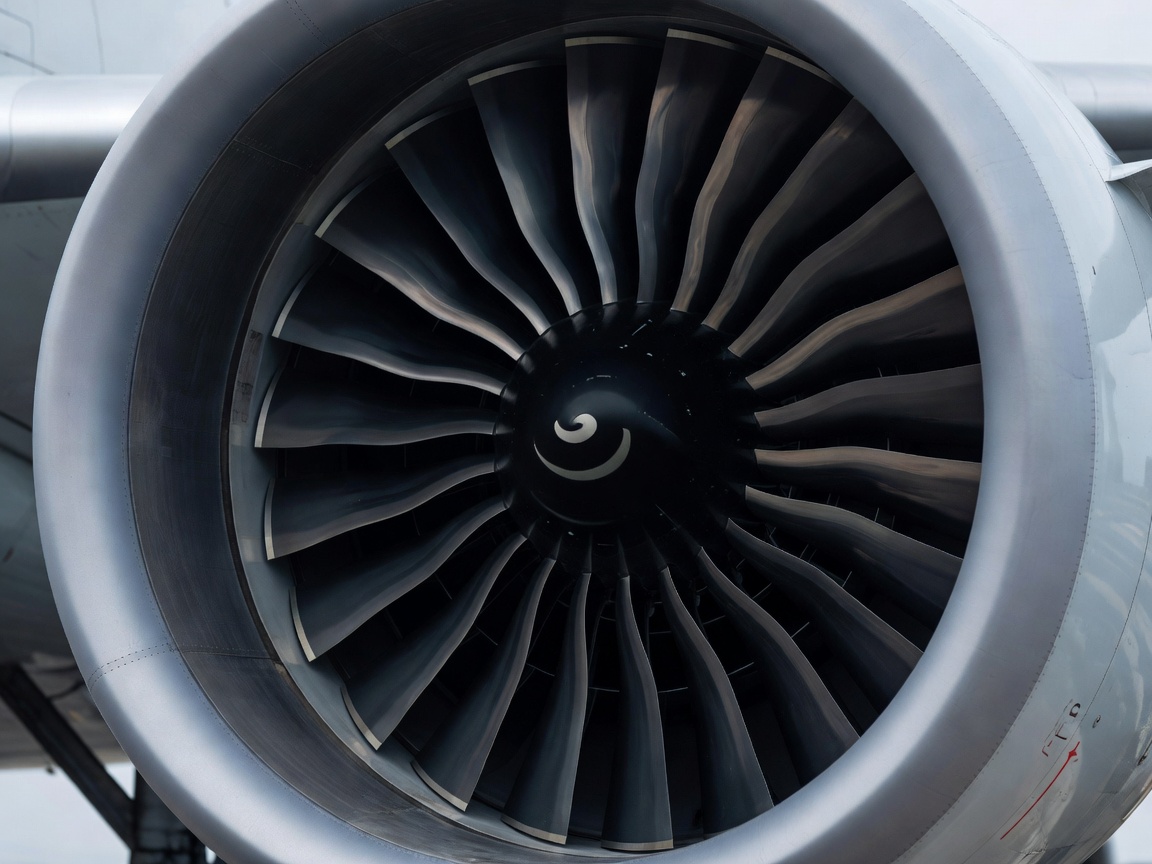
Most modern commercial aircraft utilize high-bypass turbofan engines. These engines work by drawing in vast amounts of air via a large fan at the front. While a portion of this air enters the core to be compressed, mixed with fuel, ignited, and expelled as high-velocity exhaust, the majority of the air bypasses the core entirely.
This "bypass" air, accelerated by the large fan, actually provides the majority of the engine's forward thrust. This design is significantly more fuel-efficient and quieter than older pure turbojet designs.
Understand Engine Tech →Flight Controls
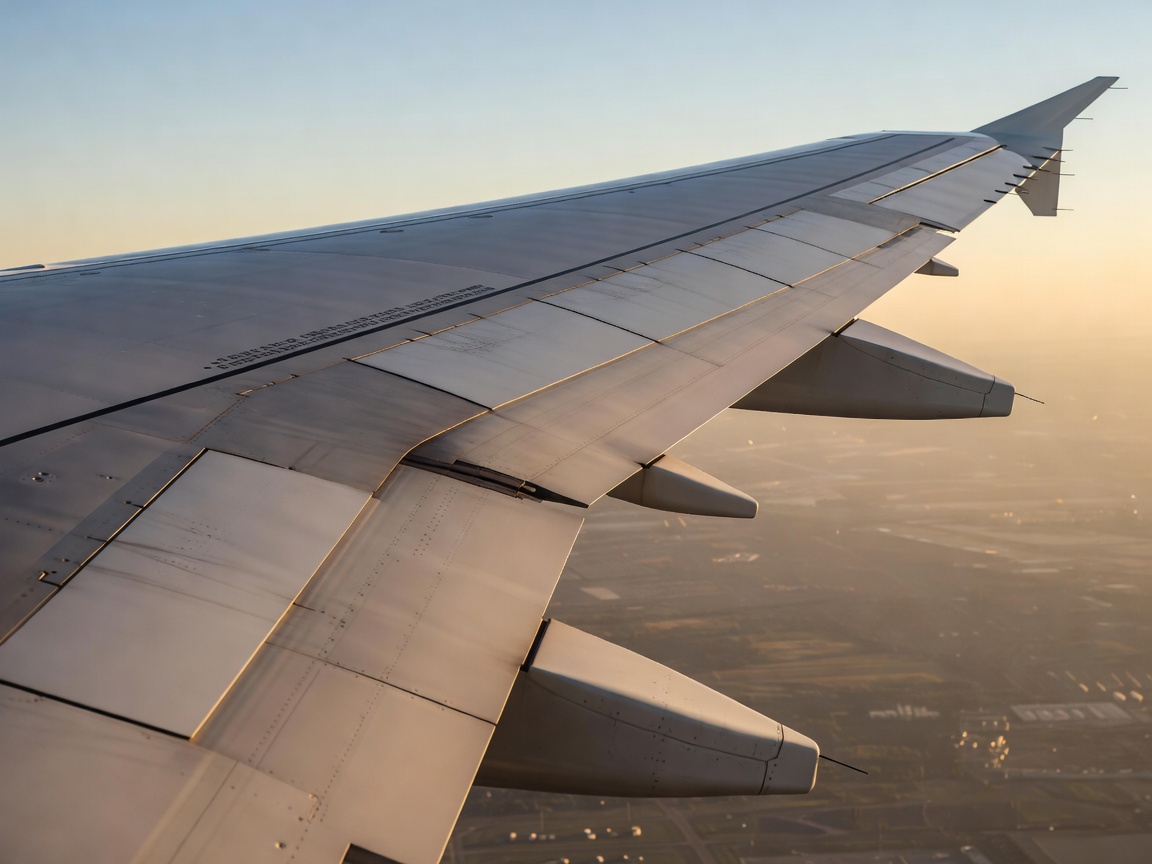
Flight controls allow pilots to maneuver the aircraft by manipulating aerodynamic surfaces on the wings and tail. These include ailerons (for roll), elevators (for pitch), and the rudder (for yaw).
Mechanical & Hydraulic
Traditionally, control columns in the cockpit were connected directly via cables and pulleys to hydraulic actuators that moved the heavy external surfaces against strong aerodynamic forces.
Fly-By-Wire (FBW)
Modern aircraft increasingly use FBW systems. Pilot inputs are converted into electronic signals sent to flight control computers. These computers then command hydraulic actuators to move the surfaces, offering smoother handling and envelope protection.
High-Lift Devices
Flaps and slats extend from the wings during takeoff and landing to increase surface area and camber, generating more lift at slower, safer speeds.
Landing Gear
The landing gear supports the entire weight of the aircraft during ground operations (taxiing, takeoff, and landing) and dampens the massive kinetic energy upon touchdown.
It consists of complex shock struts (oleo-pneumatic cylinders), massive multi-wheel bogies equipped with powerful carbon brakes, and anti-skid systems to ensure safe deceleration on varied runway conditions. After takeoff, hydraulic systems retract the heavy gear into the fuselage or wings to reduce aerodynamic drag.
View Ground Operations →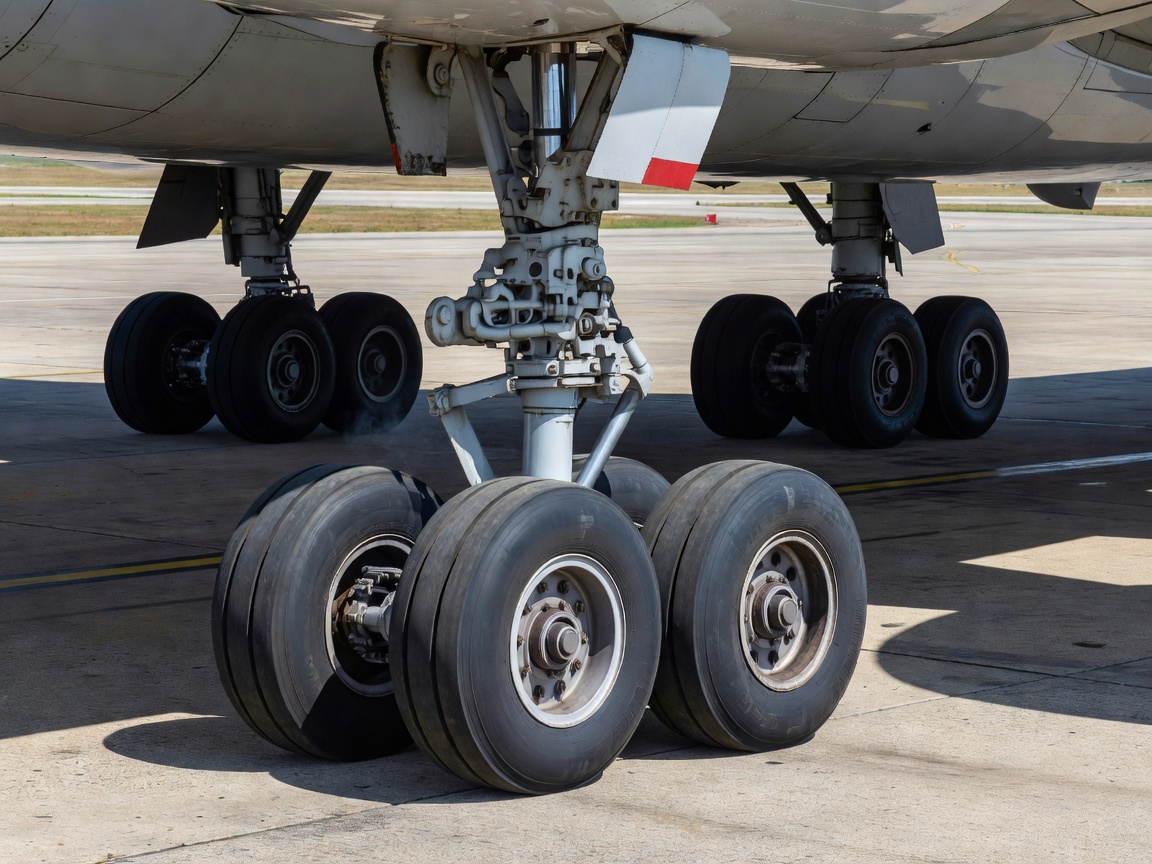
Cabin Pressurisation
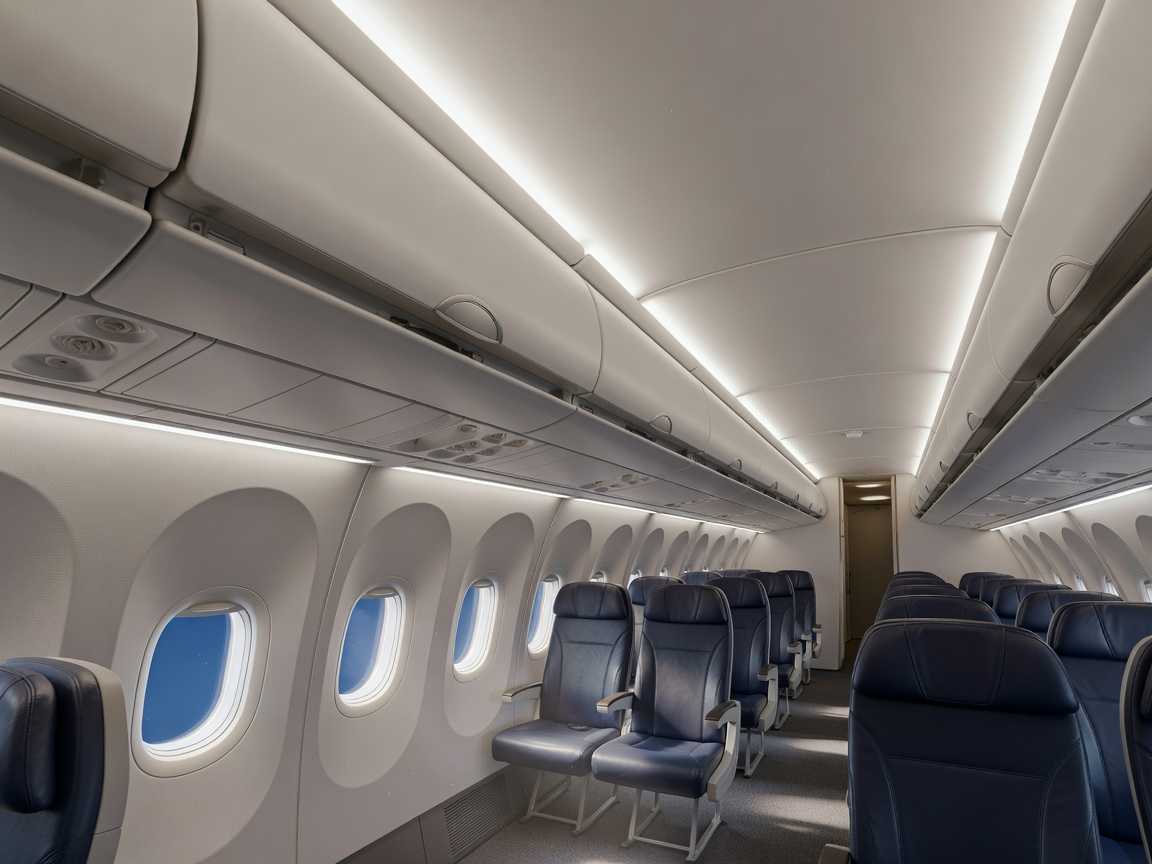
At commercial cruising altitudes (often between 30,000 and 40,000 feet), the outside atmospheric pressure is dangerously low, and there is insufficient oxygen for human survival. To overcome this, the aircraft fuselage acts as a sealed pressure vessel.
Air is drawn from the engine compressor stages (bleed air), cooled, and pumped into the cabin. An outflow valve at the rear of the aircraft carefully regulates how much air escapes. By controlling this exhaust, the system maintains a safe, breathable internal pressure—typically equivalent to the atmosphere at an altitude of 6,000 to 8,000 feet, regardless of the aircraft's actual height.
Read Pressurisation FAQ →Avionics (Aviation Electronics)
Avionics encompasses all the electronic systems used on aircraft. This complex nervous system is crucial for modern flight safety and efficiency.
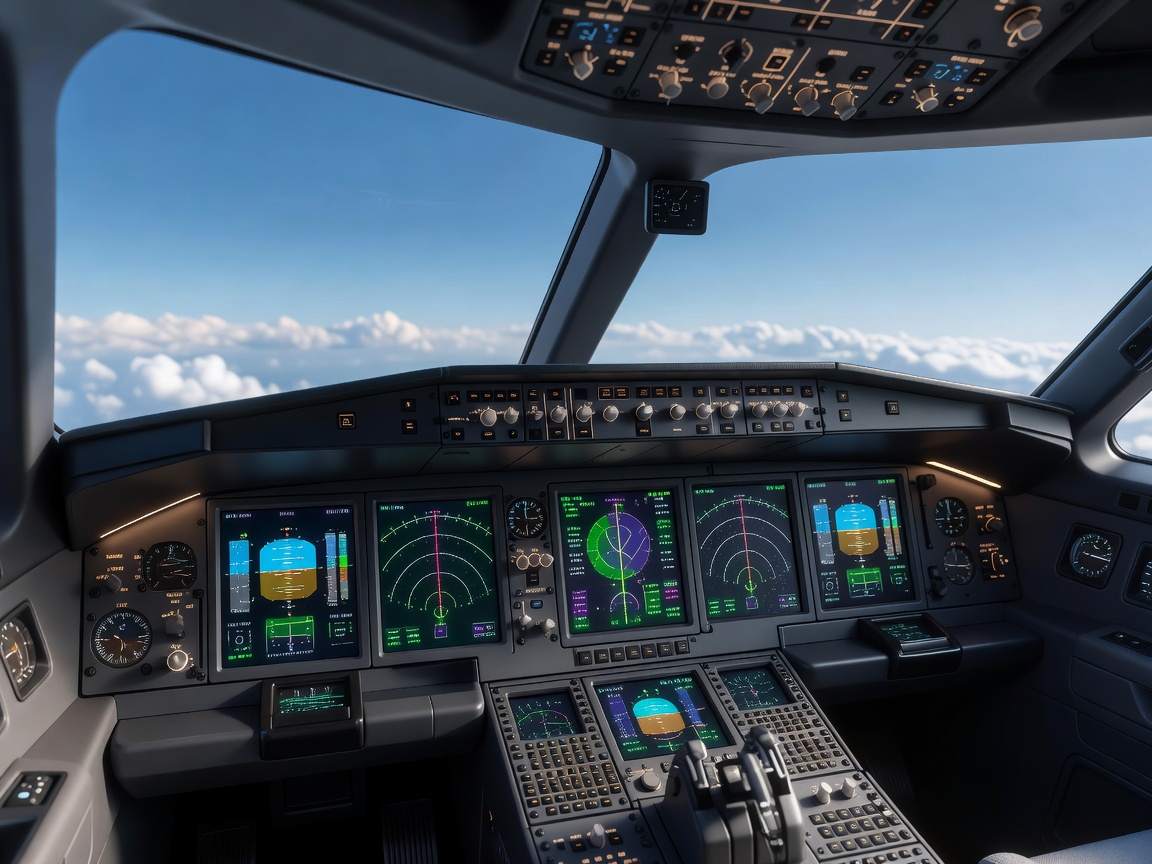
Navigation & Communication
Includes GPS, Inertial Reference Systems (IRS), VHF/HF radios, and satellite communications, allowing global tracking and constant contact with Air Traffic Control.
Flight Management Systems (FMS)
The FMS is a specialized computer system that automates a wide variety of in-flight tasks, reducing pilot workload by managing the flight plan, calculating optimal speeds and altitudes, and interfacing with the autopilot.